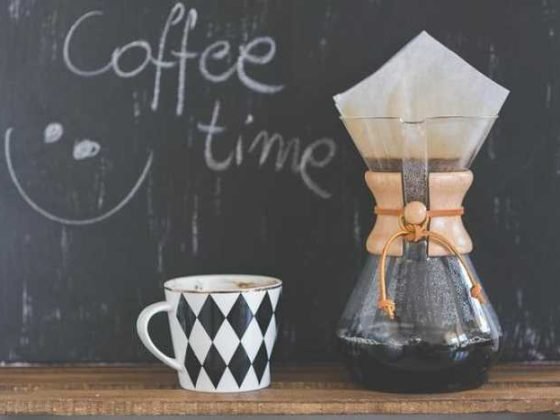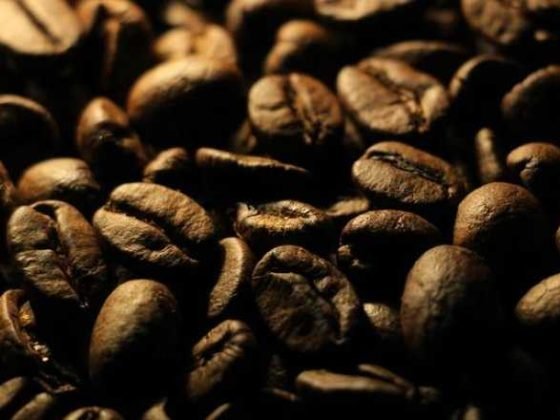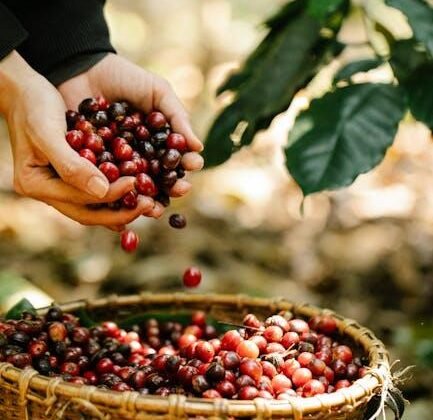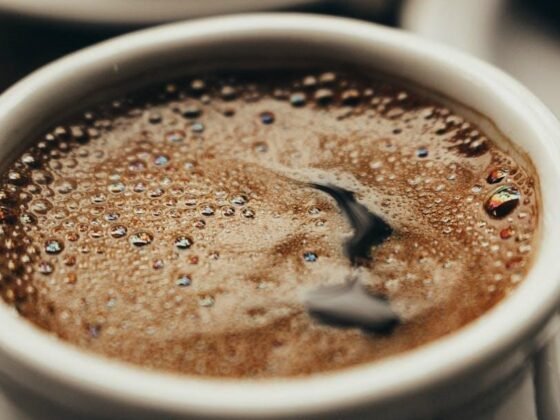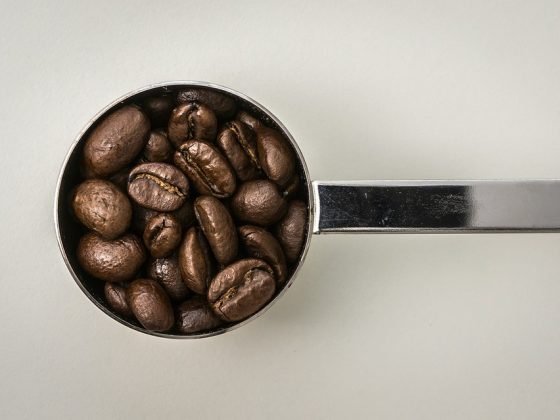
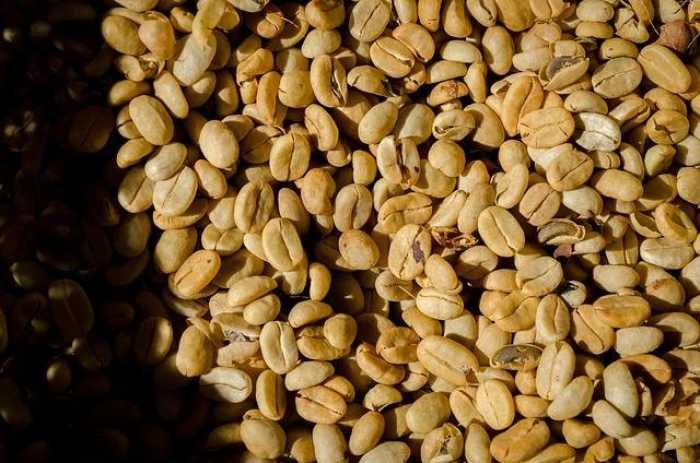
Hey there, fellow coffee lovers! ☕️ Are you ready to dive into the aromatic world of coffee beans? Whether you’re a casual sipper or a full-blown caffeine connoisseur, finding your perfect brew can feel like searching for a needle in a haystack.With so many varieties, flavors, and roasting styles out there, it’s easy to get overwhelmed. But fear not! In this article, we’re breaking down the basics of coffee beans so you can discover your ideal match. From the rich, chocolatey notes of a Brazilian bean to the bright, fruity undertones of an Ethiopian roast, we’ll guide you on a delightful journey through the coffee landscape. So, grab your favorite mug and let’s get brewing – your perfect cup of joe is just a sip away! ☕✨
Getting to Know Your Coffee Beans and Their Unique Flavors
Every coffee drinker knows that the journey to finding your perfect brew starts with understanding the beans. With each type of coffee bean offering a unique palette of flavors and aromas, diving into the world of coffee can feel like exploring a new continent.Here’s a rapid guide to help you navigate through the most common types of coffee beans:
- Arabica: Known for its smooth, mild flavor profile with hints of fruits and sugar.
- Robusta: Higher caffeine content and a stronger,bolder taste,often with nutty or chocolate notes.
- Liberica: A less common variety, featuring floral tones and a distinctive smokiness.
- Excelsa: Usually mixed with other beans, it brings fruity, tart flavors and is often described as mysterious.
When brewing, the origin and processing method also play a crucial role in flavor. Here’s a simple table to showcase how different regions influence taste:
| Region | flavor Profile |
|---|---|
| Latin America | Crisp acidity with nutty and chocolate undertones. |
| Africa | Bright, fruity flavors with floral notes. |
| Asia | Earthy and spicy, often medium-bodied. |
Understanding these nuances will not only enhance your appreciation for the beans themselves but also elevate your brewing experience. As you experiment with different types and origins, you’ll find the perfect match for your taste buds!
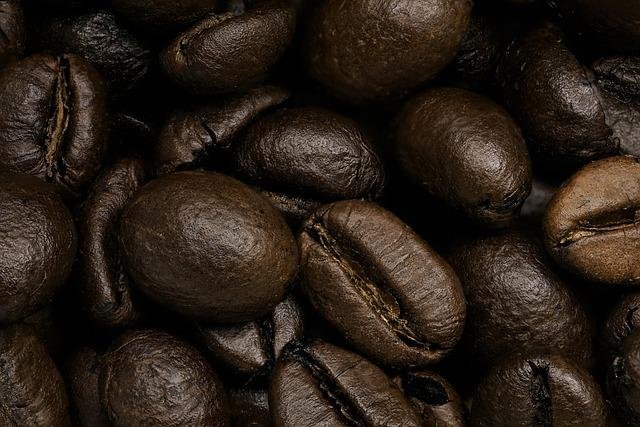
Roasting Levels: How They Impact your Brew’s Taste Profile
The roasting process is where coffee beans undergo a transformation that defines their flavor profile. The level at which beans are roasted can bring out a range of characteristics, from the brightness of fruitiness to the depth of chocolatey undertones. Here’s a quick look at how different roasting levels can alter your brew:
- Light Roast: Retains maximum acidity and showcases vibrant flavors like citrus or floral notes.
- Medium Roast: Balances acidity and sweetness, with a fuller body and notes of caramel or nuts.
- Dark Roast: Offers low acidity and deep, rich flavors, often with hints of chocolate or smokiness.
As you explore the nuances of each roast, it’s essential to consider how brewing methods can further accentuate these flavors. As an example, a light roast brewed with a pour-over technique can highlight bright acidity, while a dark roast in espresso form may yield a creamy body with a punchy finish.Understanding your own taste preferences is key, so don’t hesitate to try different roasting levels and brewing methods to find your ideal match!
| Roast Level | Flavor Notes | Best Brewing Method |
|---|---|---|
| Light Roast | floral, Bright, Fruity | Pour-over, Aeropress |
| Medium Roast | Nutty, Caramel, Balanced | Drip brew, French press |
| Dark Roast | Chocolate, Smoke, Bold | Espresso, Moka pot |
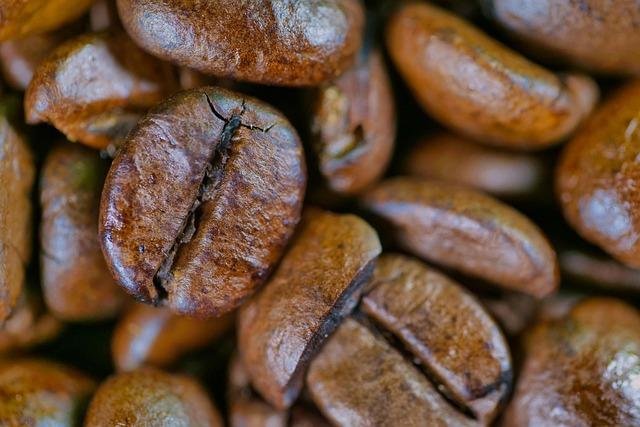
Brewing Methods That Bring Out the Best in Your Beans
Finding the right brewing method can transform your coffee experience and highlight the unique flavors of your beans. From pour-over to French press, each technique draws out different characteristics, allowing you to tailor your brew to your taste. For a clean and crisp cup, try the pour-over method; it’s perfect for showcasing the bright acidity and floral notes that some beans possess. On the other hand, if you crave a full-bodied experience, the French press method delivers rich and robust flavors, thanks to the natural oils that remain in the cup. Here are some methods to consider based on your bean selection:
- Ethiopian Yirgacheffe: Best suited for pour-over for its fruity and floral profile.
- Colombian Supremo: Try a French press to enhance its sweetness and body.
- Sumatra mandheling: A cold brew method can soften its earthiness and bitterness.
Another popular option is the espresso method, ideal for those who love intense flavors and a concentrated shot. This method works wonders with freshly roasted beans, especially darker roasts that shine with chocolate and caramel notes. For a versatile brewing experience, consider the Aeropress; it combines the robustness of espresso with the smoothness of pour-over techniques. Whether you’re a fan of creamy lattes or bold black coffee, exploring these methods can lead you to discover hidden gems in your favorite beans.
| brew Method | Flavor Profile Highlight |
|---|---|
| Pour-Over | Bright and floral |
| French Press | Rich and full-bodied |
| Espresso | intense and complex |
| Aeropress | Versatile and smooth |
Choosing the Right Grind for Your Perfect Cup
When it comes to brewing your ideal cup of joe, the grind size of your coffee beans can be a game changer. Different brewing methods extract flavors at varying rates, which means a consistent grind size tailored to your chosen method is essential for that perfect brew. Here’s a quick guide to help you navigate:
- Coarse Grind: Perfect for French press or cold brew,as it allows for slower extraction and fuller flavors.
- Medium Grind: Great for drip coffee makers and pour-over systems,balancing speed and flavor extraction.
- Fine Grind: Ideal for espresso machines that require quick extractions, delivering a rich crema and robust taste.
- Extra Fine Grind: Best suited for Turkish coffee,which demands a near-powdered consistency for maximum flavor.
To make it even easier to match your grind to your brew method, here’s a simple table outlining the grind size with corresponding brewing methods:
| Brew Method | Grind Size |
|---|---|
| French Press | Coarse |
| Drip Coffee Maker | Medium |
| Espresso Machine | Fine |
| Turkish Coffee | Extra Fine |
Q&A
Coffee Beans 101: Discover Your Perfect Brew Match!
Q1: What are the main types of coffee beans?
A1: Great question! There are four main types of coffee beans: Arabica, Robusta, Liberica, and Excelsa. But the stars of the show are definitely Arabica and Robusta.Arabica beans are known for their smooth,complex flavors and are often a bit pricier. Robusta beans, conversely, pack a punch with a stronger, more bitter taste and higher caffeine content. If you’re all about rich, robust flavors, Robusta might be your jam!
Q2: How do I choose the right type of coffee bean for my taste?
A2: choosing the right coffee bean can be super fun! Start by considering your taste preferences. do you like smooth and fruity flavors? Go for Arabica! If you’re into bold and strong brews, give Robusta a shot. If you want to be adventurous, try some Liberica or Excelsa, which have unique and sometimes floral flavors. Experimenting is key-don’t be afraid to try out different types until you find your perfect match!
Q3: What’s the deal with coffee roast levels?
A3: roasts can be a game-changer! Coffee beans are roasted to bring out different flavors, and they range from light to dark. Light roasts tend to have bright,fruity notes and retain more of the bean’s original flavor. medium roasts are balanced, capturing a bit of the bean’s uniqueness while also introducing deeper flavors. Dark roasts give you that bold, smoky profile and are often less acidic.So if you want to jazz up your morning, try out the different roast levels to see what tickles your taste buds!
Q4: How can I brew the perfect cup of coffee?
A4: Ah, the ultimate quest! Brewing the perfect cup is crucial, and there are a few key factors to keep in mind. First, start with fresh, high-quality beans-grind them just before brewing. The grind size matters,too-coarse for French press,medium for drip,and fine for espresso. Water temperature should be around 195°F to 205°F (just off the boil) to extract the full range of flavors. Lastly, don’t forget to experiment with coffee-to-water ratios until you hit that sweet spot for your taste!
Q5: Should I invest in a fancy coffee maker?
A5: It totally depends on your coffee goals! If you love the process and want to level up your game, investing in a fancy coffee maker or even a good grinder can make a big difference. machines like espresso makers or pour-over setups allow you more control over your brew. But hey, don’t let budget constraints stop you! You can still make appetizing coffee with a basic setup. It’s all about finding what works for you and your lifestyle!
Q6: Can I flavor my coffee beans?
A6: Absolutely! Flavored coffee is a delightful experience. You can buy pre-flavored beans, or you can get creative at home. Adding flavors like vanilla, hazelnut, or chocolate during the brewing process can spice things up! Just a heads-up-some people prefer their beans without any added flavors to enjoy the pure taste. No right or wrong here; it’s all about what makes you happy!
Q7: Any tips for storing coffee beans?
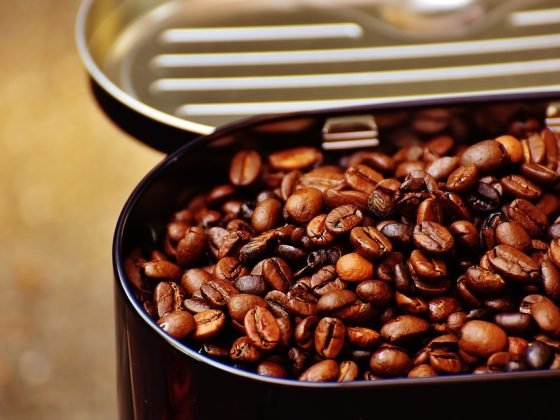
A7: You bet! To keep your coffee beans fresh, store them in an airtight container, away from light, heat, and moisture. A cool, dark place like a pantry is perfect. Avoid keeping them in the fridge or freezer-fluctuating temperatures can create condensation and ruin those glorious flavors. Remember, coffee beans are best enjoyed fresh, so try to buy smaller quantities that you can use up in a few weeks!
Feeling enlightened yet? Dive into those coffee bean adventures, and you’re bound to find your perfect brew match! Happy sipping! ☕️
In Retrospect
And there you have it, coffee lovers! With this guide to coffee beans, you’re now armed with all the knowledge you need to find your perfect brew match. Whether you’re a dark roast devotee, a light roast lover, or somewhere in between, the world of coffee is yours to explore.
Don’t be afraid to experiment! Try new beans, play around with different brewing methods, and don’t hesitate to ask your local barista for recommendations. Remember, coffee is all about personal flavor, so trust your taste buds and go on a caffeinated adventure!
So grab your favorite mug, slap on a cozy playlist, and dive into your next coffee journey. Happy brewing, folks! ☕✨