
All products are independently selected by our editors. If you buy something, we may earn an affiliate commission. Learn More >
Roast some rice. Boil it. Congratulations, you’ve made a beverage that vaguely resembles coffee. That’s the version most people get told, and it barely scratches the surface.
This drink has been part of daily life where I live long before it turned into a wellness trend, and there’s a lot more to it than a quick pan roast.
I’m British, not Filipino, but I’ve called the Philippines home for fifteen years, and two decades in coffee and hospitality means I don’t take a drink like this at face value.
Let’s take a closer look.
What Rice Coffee Actually Is
Rice coffee is exactly what it sounds like on the surface and nothing like what the name implies underneath.
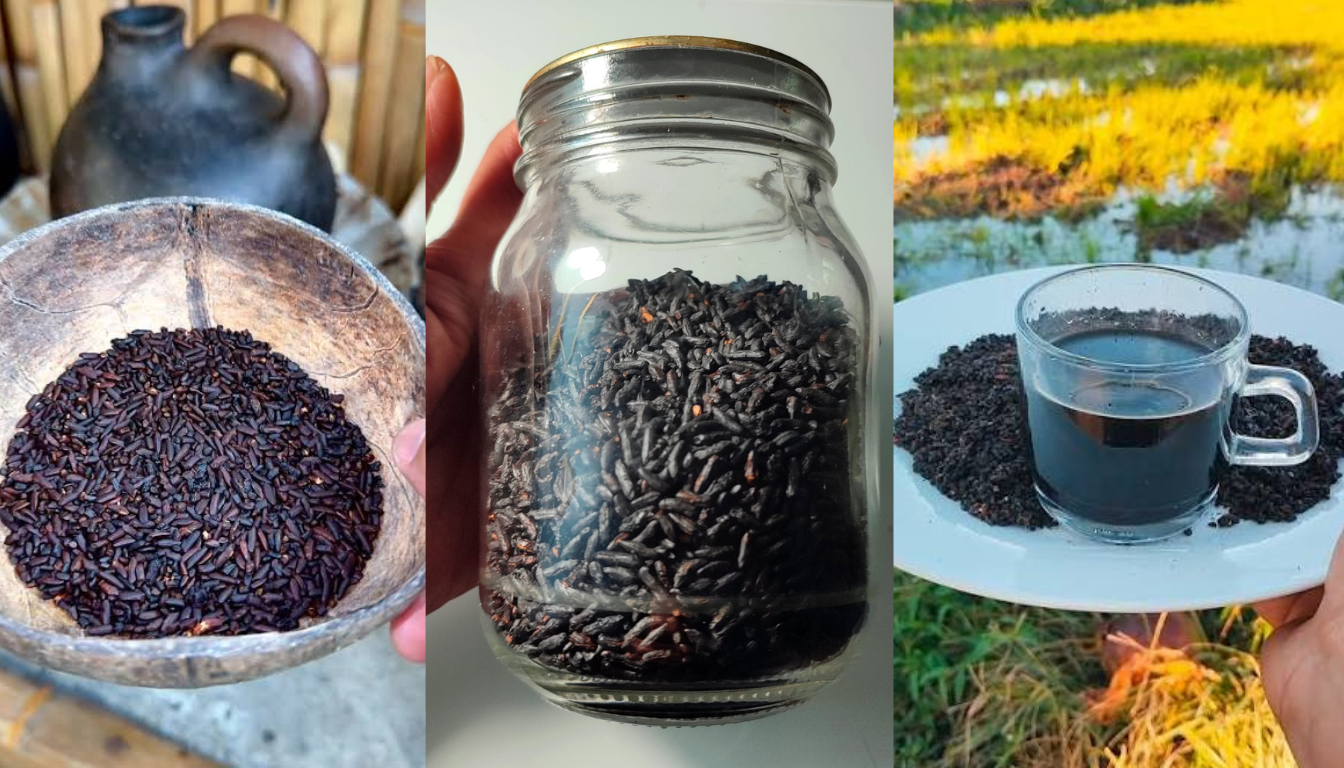
It’s rice, roasted until dark and fragrant, then steeped or simmered in hot water. No coffee beans anywhere near it.
Some products on store shelves call themselves rice coffee while blending in actual ground coffee or chicory to bulk out the batch and soften the caffeine hit.
That’s a different drink wearing the same name. The traditional version, the kind made in home kitchens across Asia for generations, uses rice and nothing else.
Where Rice Coffee Comes From
This drink has roots in more than one country, and each version tells its own story.
Kapeng Bigas in the Philippines
In the Philippines, where I’ve spent a good part of my career around coffee, this drink has its own name. Kapeng bigas. Rice coffee.
It goes back to a time when real coffee beans were expensive or simply out of reach, especially during the hard years of the Japanese occupation and the shortages that followed.
Families toasted whatever rice they had until it turned dark and nutty, then brewed it the same way they’d have brewed real coffee.
It never really disappeared. Head into the provinces today and you’ll still find older relatives who reach for kapeng bigas out of habit rather than necessity, because the smell of rice toasting in a hot pan is tied to a grandmother’s kitchen more than it’s tied to saving money.
This isn’t a forgotten wartime relic getting revived for a health trend. In plenty of Filipino households, it never left in the first place.
Genmai and Brown Rice Coffee in Japan
Japan has its own long relationship with roasted rice, and it’s worth untangling because two different drinks get mixed up constantly.
Genmaicha is green tea blended with roasted brown rice, so it still carries tea leaves and a small amount of caffeine. Pure brown rice coffee, sometimes labeled genmai coffee, skips the tea entirely and uses only roasted rice.
It’s the same basic idea as kapeng bigas, just refined into something closer to a specialty product, with some producers now roasting single varieties of rice the way a roaster might treat single origin beans.
Cousins Elsewhere
You’ll find versions of this idea well outside Southeast Asia too.
Korea has sungnyung, made from the toasted rice left stuck to the bottom of the cooking pot. Madagascar has ranovola, rice water flavored by the scorched grains left behind after cooking.
None of these are identical to kapeng bigas, but they all come from the same instinct. Don’t waste the rice, and don’t waste the flavor that toasting pulls out of it.
What Rice Coffee Actually Tastes Like
Set your expectations before your first cup, because rice coffee and coffee coffee aren’t chasing the same flavor.
What you get is nutty, toasty, and quietly sweet, with an earthiness that sits somewhere between roasted barley and dark toast.
There’s no bitterness biting at the back of your throat and no acidity making your stomach tighten. What you won’t get is anything resembling the boldness of a real cup of coffee.
If you’re expecting a caffeine-free stand-in that fools your taste buds, you’ll be disappointed. Go in expecting a comforting, warm drink in its own right and you’ll enjoy it a lot more.
Volcanica Coffee Lover Gift Box
The perfect gift box for the average avid coffee drinker, this gift box includes the best-selling products all in one package. Explore the taste of favorite coffees from around the world from the comfort of home.
How to Actually Brew It Well
“Toast the rice and add water” is a bit like telling someone to cook the steak and walking off. The details matter more than people think.
- Start with raw, uncooked rice. White rice gives a lighter, sweeter cup. Brown rice brings more body and a deeper, almost cocoa-like edge.
- Roast it dry in a pan over medium heat, stirring constantly. Listen for a faint popping sound and watch the color shift from white to golden to a deep, even brown.
- Stop before it goes black. Rice that’s scorched rather than roasted turns bitter fast, and bitterness is the one thing rice coffee isn’t supposed to have.
- Use roughly two tablespoons of roasted rice per cup of water, then simmer for eight to ten minutes so the flavor has time to pull through.
- Strain well. Stray grains left floating around will turn your last sip gritty.
Adjust the roast darkness and you adjust the whole personality of the drink. A lighter roast leans sweet and mild.
Push it darker and you get something closer to a dark roast coffee in color and weight, minus the caffeine.
Is It Really Caffeine-Free?
Pure rice coffee, made the traditional way with nothing but rice and water, has no caffeine in it at all. That part is straightforward.
Where people get confused is a study that circulates online showing caffeine levels dropping when roasted rice is added to brewed coffee.
That’s measuring rice mixed into actual coffee, not rice coffee on its own, and it’s a completely different drink. If you see that figure used as proof that rice coffee “still has a bit of caffeine,” treat it with suspicion.
The real drink, brewed the way it’s meant to be, won’t give you so much as a trace.
Who It’s Actually Good For
This drink earns its keep with a specific kind of person. If caffeine sends your heart racing or keeps you staring at the ceiling at midnight, rice coffee gives you a warm, familiar ritual without any of that.
It’s gentle on a sensitive stomach too, since there’s none of the acidity that regular coffee brings.
Where I’d pump the brakes a little is around the health halo it’s picked up. Roasted rice is still a starch, and starch means carbohydrates hitting your system fairly quickly.
If you’re watching your blood sugar closely, this isn’t the free pass it gets treated as.
Drink it black, skip the sugar, and treat it as a caffeine-free comfort drink rather than a health supplement, and you’ll get the most honest version of what it actually offers.
Rice Coffee vs. the Other Alternatives
If you’ve tried chicory coffee or roasted barley tea before, rice coffee will feel like a cousin rather than a stranger.
| Drink | Caffeine | Flavor | Best for |
|---|---|---|---|
| Rice coffee | None | Nutty, mildly sweet | Evening drinking, sensitive stomachs |
| Barley coffee | None | Earthy, slightly bitter | Fans of a heavier, roastier cup |
| Chicory coffee | None | Woody, slightly bitter | Blended with real coffee for body |
Rice coffee comes out the mildest and sweetest of the three, which makes it the easiest one to hand to someone who’s never tried a coffee alternative before.
Final Thoughts
I didn’t grow up drinking kapeng bigas. I picked it up after moving to the Philippines, where fifteen years of living among Filipino kitchens and coffee culture has taught me more than any menu ever could.
Roasting the rice myself for the first time, watching it change color in the pan, reminded me why a simple drink like this sticks around for generations. There’s nothing fancy about it, and that’s exactly the point.
If you give it a try, roast a small batch first before committing to a big one. You’ll want to dial in your own preferred darkness before deciding how much to keep in the cupboard.
Have you grown up with a version of this drink where you’re from? I’d love to hear about it.