
Estimated reading time: 7 minutes
Key takeaways
- Barista and roasting experience often serves as the entry route into green coffee buying.
- Sensory skills and certifications build early credibility.
- Personal relationships and trust often matter just as much as formal qualifications.
- Day-to-day work relies heavily on spreadsheets, forecasting, and contracts.
The green coffee buyer holds an essential position in the coffee supply chain. As the title suggests, their job is to source and purchase green coffee, often against specific attributes that meet demand. This could mean sourcing a set volume from a particular origin, or coffee that hits a precise cup score.
The number of roasters worldwide is increasing year by year, and demand for well-sourced green coffee is growing alongside it. Building a career in green coffee buying still takes a mix of hard and soft skills developed over time, but the path into the role is more accessible than it once was.
Looking for new positions in the coffee industry? Check out PDG Jobs here.

Finding an entry point
Green coffee buying was once a heavily male-dominated industry. The sector still has progress to make, but pioneers like Erna Knutsen helped make the cupping table a more inclusive space.
Almost every green coffee buyer starts their career behind an espresso machine or in a roastery, building solid foundational knowledge of the coffee supply chain, roasting, and extraction along the way.
Working as a barista or roaster can feel more accessible, yet green coffee buying often feels out of reach.
“The green coffee sector is notoriously hard to get insights and knowledge from because its main product differentiator is information,” says Kosta Kallivrousis, supply chain advisor at Age of Coffee. “It puts people on guard with how much they’re willing to say and what to say.”
This scarcity of information explains why newcomers can’t shortcut their way into green coffee buying. The job demands sensory expertise above all else: new buyers need to practise discerning between a washed Ethiopian and a natural processed Brazilian with precision.
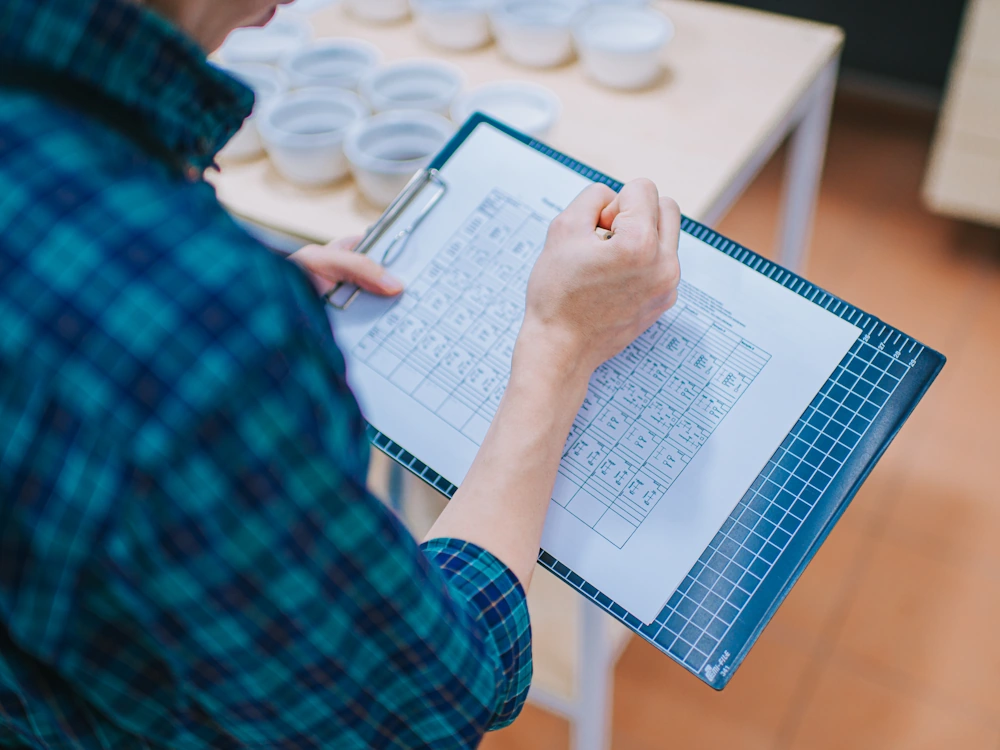
Cupping, the standardised method for tasting and scoring coffee, is the green buyer’s core tool, and it demands constant palate training. Regular cupping practice, ideally alongside more experienced tasters who can calibrate your palate against theirs, is essential.
Certifications offer another key entry point. The Evolved Q Grader programme is one route to adding credibility to your sensory skills, alongside courses offered by other organisations such as the Sustainable Coffee Institute and The Better Coffee.
Understanding the operational skills involved
People often have a romanticised view of the green coffee “hunter”: travelling to coffee-producing countries, meeting producers, and seeking out exceptional lots.
Travel does form part of the job, but green coffee buying is fundamentally a purchasing and supply chain role. The day-to-day leans heavily on spreadsheets, forecasting, inventory management, and contract negotiation with producers or importers.
“You need to understand the environment you’re working in. For the last six years, green coffee prices have been elevated above the 33-year average of US$1.70/lb,” Kosta says. “This, along with everything being more expensive, is placing downward pressure on everyone globally.
“Coffee doesn’t have great price elasticity when there’s this kind of increase in the market. This means consumers will likely downgrade quality first to save money, then stretch what coffee they have left before ultimately substituting it with other caffeinated products. Every penny will matter, so understanding the top range of your budget will be essential.”
Trabocca, the Netherlands-based green coffee importer, notes that the job pairs origin relationships with operational rigour. Inventory carrying costs alone can rise by 1 to 1.5% a month, so prospective green coffee buyers learn early that sensory judgement and financial control go hand in hand.
Despite the heavy logistical side of the job, the control that green coffee buying offers can be rewarding.
“The good news is that green buyers really dictate what happens in the coffee industry, so you’ll be making decisions instead of taking them that will have ramifications for the entire supply chain both ways,” Kosta explains.
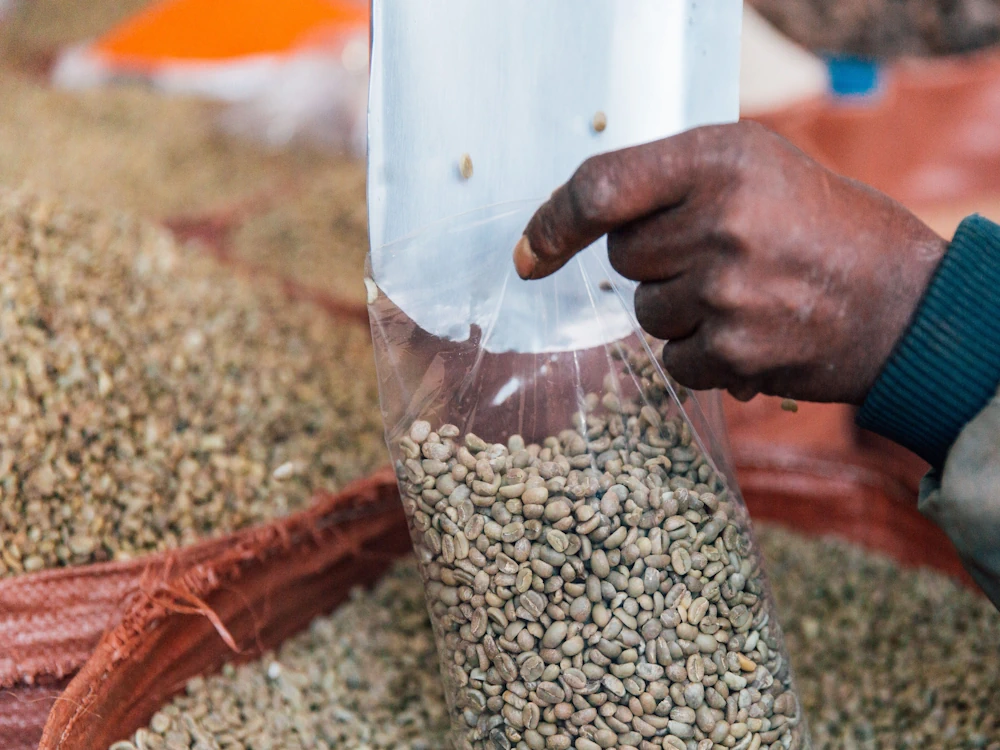
Language skills help too. Spanish is particularly valuable given the concentration of coffee production across Latin America, and buyers who travel to origin cite direct communication with farmers as one of the clearest ways to build lasting trust.
Developing personal skills
Green coffee buying demands technical skill, but building personal relationships matters just as much.
Trust underpins the transactions themselves. A green coffee buyer negotiates prices, volumes, and contract terms with producers and importers who have often worked together for years.
For anyone interested in transitioning into green buying, the practical takeaway is to treat relationship-building as part of the job from day one: attend cuppings, join industry events, stay in touch with roasters and importers, and follow up consistently.
“Importing is shifting,” Kosta says. “It’s a lot easier to make direct connections with importers, and their role can shift from selling coffee to being a logistics and financing partner.”
Mentorship shortens the learning curve too. Cupping alongside an experienced buyer, sitting in on contract negotiations, or simply asking questions on farm visits gives newcomers practical context that a qualification can’t replicate.
For those looking for new career opportunities and coffee business owners searching for experienced staff, PDG Jobs board is a valuable industry resource, hosting listings from some of the most established names in the specialty coffee sector. The jobs board features a variety of roles across the supply chain, from green coffee buyer to marketing positions.
Green coffee buying combines technical precision with relationship-building. Newcomers need sensory training, certifications, and operational knowledge of spreadsheets, forecasting, and contracts, but trust with producers and importers still opens most doors.
The path has become more accessible, yet it still rewards patience: cupping consistently, learning the supply chain, and making connections.
Need more leads for your coffee business? Get in touch with PDG Media, our marketing agency dedicated to specialty coffee, here.
Green coffee buying FAQs
What skills does a green coffee buyer need?
Green coffee buyers need strong sensory skills, built through regular cupping practice, alongside operational skills such as forecasting, inventory management, and contract negotiation. Certifications like the Evolved Q Grader programme add credibility, while language skills, particularly Spanish, help build trust with producers at origin.
How do people usually start a career in green coffee buying?
Most green coffee buyers begin behind an espresso machine or in a roastery, building foundational knowledge of the supply chain, roasting, and extraction. From there, many move into quality control or coordinator roles before progressing into sourcing and purchasing decisions. Jobs board like PDG Jobs also regularly feature green buyer roles and more.
Why are personal relationships so important in green coffee buying?
Green coffee buying runs on trust between producers, importers, and buyers, many of whom work together for years. Newcomers need mentors and introductions to build credibility, since the sector shares information privately rather than publicly, making networks essential for entering and progressing in the role.
Perfect Daily Grind
Want to read more articles like this? Sign up for our newsletter!


